

Interest in Apollo TV has shifted.
It’s no longer just people browsing for another streaming option. The pattern now reflects something deeper: verification. When a platform begins attracting attention at scale, the next phase is scrutiny. People want to know where the real website is, whether the platform is legitimate, and how the access model actually works.
That shift usually signals growth.
Apollo TV operates inside the IPTV category, which differs structurally from traditional app-store streaming services. IPTV platforms use credential-based authentication, distributed infrastructure, and cross-device compatibility rather than centralized marketplace apps. That flexibility creates opportunity, but it can also create confusion when users expect the experience to mirror Netflix or Prime Video.
We’ll break down how to identify the Legitimate Apollo TV Website Here, why multiple variations appear in search results, how login and access models function, and how to evaluate the platform based on infrastructure rather than speculation.
The goal is clarity, not hype, not fear, not promotion. Just structure.
>> Always Confirm Apollo Tv Information Through Its Primary Distribution Channel Here Before Relying On Secondary References.
Which Website Is Actually the Real Apollo TV?
When people search for Apollo TV, they are rarely just browsing. They are verifying.
Confusion around which website represents the real Apollo TV typically stems from the layered nature of IPTV distribution. Affiliate pages, comparison blogs, reseller portals, and mirror domains often appear in search results, many using similar branding language. That does not automatically mean fraud, but it does mean users must understand how to identify structural authenticity.
The Real Apollo TV Platform maintains consistency across several operational markers.
First, domain stability. Official distribution channels do not constantly rotate URLs or redirect users through multiple unrelated checkout environments. The Authentic Apollo Group TV (Verified) ecosystem maintains coherent branding, unified account authentication, and a consistent interface structure at apollotvsgroup.com.
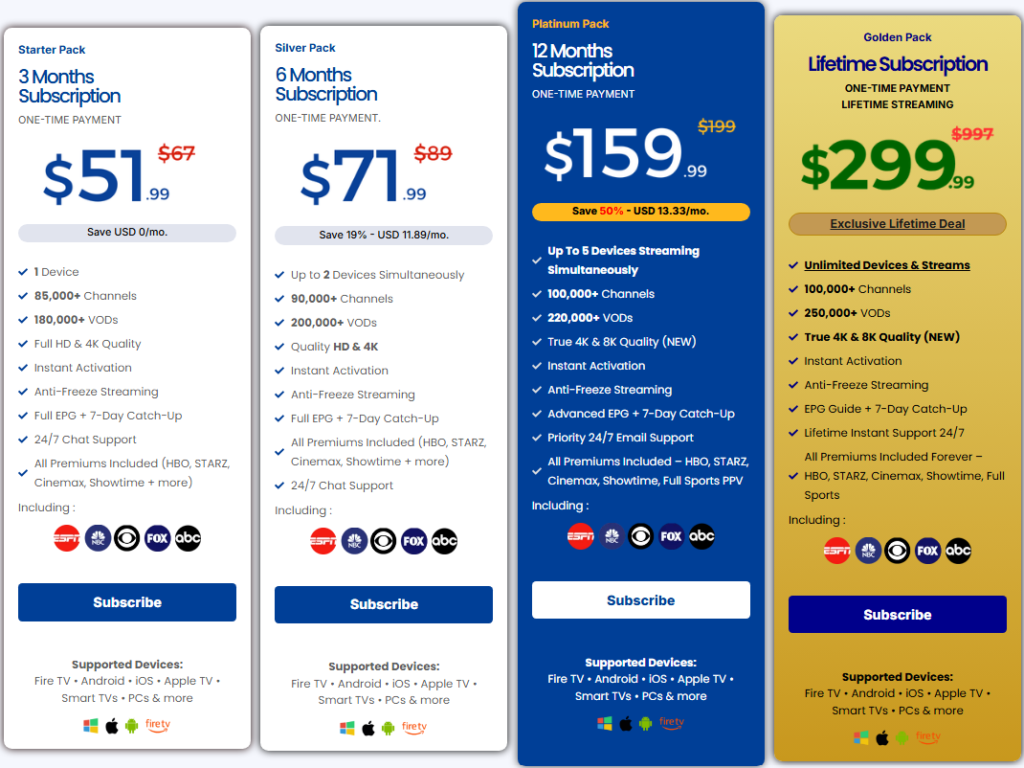
Second, feature continuity. The official Apollo Group TV platform presents a clearly structured service architecture that includes:
- 100,000+ live channels and 250,000+ VOD titles with daily updates
- All major premium networks included forever — HBO Max, STARZ, Cinemax, Showtime, MGM+, full sports coverage and more — with zero extra fees
- True 4K & 8K quality streaming with advanced anti-freeze technology
- 7-day catch-up on thousands of channels
- Unlimited simultaneous streams (on Golden Lifetime package)
- A structured EPG (Electronic Program Guide) system for seamless live navigation
- Ongoing 24/7 email support continuity rather than temporary ticket-based responses
These elements are not random marketing phrases. They are infrastructure indicators. When evaluating whether you are on the authentic Apollo Group TV platform, look for a coherent presentation of these system-level features rather than fragmented promotional claims.
>> Access the Official Apollo Group TV Platform Here – Secure One-Time Payment & Lifetime Options Available
For example, the official Apollo Group TV environment highlights simultaneous streaming across multiple devices and locations under one credential-based structure. That differs significantly from reseller pages that may advertise partial access or inconsistent device limitations.
Similarly, structured channel counts and VOD indexing appear within a unified architecture on the primary Apollo Group TV platform. Clone or intermediary pages often fail to clearly explain how content is organized or how live television integrates with on-demand layers.
Another signal of authenticity is the presence of integrated anti-freeze streaming optimization, 4K/8K support, and a fully operational EPG system. These features indicate technical implementation rather than surface-level branding replication.
Support continuity is also a structural differentiator. Official Apollo Group TV distribution references ongoing assistance and platform stability rather than short-term activation messaging. Reseller environments frequently emphasize quick sign-up language without explaining long-term system maintenance.
The Real Apollo TV Website is not defined by flashy language. It is defined by structural coherence.
When assessing authenticity, ask:
- Does the platform demonstrate unified branding and consistent layout?
- Are multi-device capabilities clearly explained within a single ecosystem?
- Is there a transparent reference to 4K, 8K, and anti-freeze streaming capacity?
- Does the content presentation reflect a live + VOD layered system rather than isolated channel claims?
- Is the navigation supported by an integrated EPG guide rather than static channel lists?
Apollo Group TV’s official platform reflects these signals consistently.
Platform confusion is common in IPTV because the ecosystem is decentralized. However, confusion does not equal illegitimacy. It simply means verification requires attention to infrastructure markers instead of relying on surface-level marketing copy.
When users report dissatisfaction after registering through third-party domains, the issue often originates from intermediary handling, not from the core Apollo Group TV architecture itself. Separating the official Apollo Group TV platform from resellers is critical for accurate evaluation.
In short, the real Apollo TV website presents a unified, technically coherent environment with clearly articulated device flexibility, high-resolution streaming capability, layered channel architecture, and ongoing operational support.
Everything else is noise layered on top of a maturing IPTV ecosystem.
If you understand the infrastructure signals, identifying the authentic Apollo Group TV platform becomes far less complicated.
>> Always confirm Apollo Group TV information through its primary official website apollotvsgroup.com before relying on secondary references.
Why Login and App Searches Surround Apollo TV
Another noticeable trend is the high volume of searches related to login access and application downloads.
This pattern reflects a misunderstanding about how IPTV platforms function.
Traditional streaming brands distribute proprietary apps inside centralized marketplaces. Users are conditioned to search an app store, install a branded application, and sign in. IPTV ecosystems like Apollo TV operate differently. Access is defined by credentials rather than a single store-distributed app.
That difference alone explains much of the search behavior.
When users cannot find a dedicated marketplace app immediately, they begin searching for download files or alternate login pages. In reality, credential-based streaming relies on compatible IPTV interfaces rather than exclusive app-store distribution.
>> For Clarity On How Apollo TV Organizes Live And On-Demand Content, Consult The Official Apollo TV Platform.
This model offers flexibility. It allows Apollo TV to operate across multiple supported environments without being locked into one hardware ecosystem. However, flexibility can create search confusion for those unfamiliar with IPTV architecture.
It’s important to distinguish between legitimate credential authentication and unofficial file hosting pages. Authentic access models focus on account validation, not random third-party downloads.
Understanding this structural difference removes most of the uncertainty surrounding login-related searches.
Rather than looking for a specific branded app icon, the focus should be on how the authentication system works. Apollo TV grants access through validated credentials inside compatible environments. The application interface is simply a gateway; the account structure is what matters.
Before interacting with any login page or download link, verify that you are within the correct environment. Review Apollo TV access details directly Through Its Official Platform to ensure authentication integrity.
Once the architecture is understood, the search patterns stop feeling suspicious and start feeling logical.
Apollo TV operates within the norms of credential-based IPTV systems. When evaluated through that lens, the platform structure becomes clear, and confusion diminishes.
Is Apollo TV Legit? Evaluating Structural Signals Instead of Online Noise
Whenever a streaming platform reaches a certain level of visibility, the same question surfaces: is it legitimate?
In the case of Apollo TV, that question often appears not because of evidence of wrongdoing, but because the IPTV category itself operates differently from traditional app-store platforms. When something doesn’t fit the Netflix template, skepticism follows.
Legitimacy in digital services is not determined by forum comments or isolated opinions. It is determined by structure.
Apollo TV operates within a credential-based IPTV framework. That means access is tied to authenticated accounts, distributed infrastructure, and compatible playback environments. This model is widely used across IPTV ecosystems. It differs from centralized app-store subscriptions, but difference alone does not equal illegitimacy.
One of the strongest indicators of legitimacy is infrastructure maturity. Apollo TV Maintains Consistent Authentication Flows, structured account validation, and stable domain presence. These are not characteristics of disposable or short-lived operations.
Streaming stability also plays a role in legitimacy perception. Platforms that lack infrastructure tend to collapse under traffic pressure. Apollo TV’s continued visibility in streaming discussions suggests operational continuity. Stability over time is one of the clearest structural trust signals.
So where does doubt originate?
In many cases, it originates from confusion between The Official Platform and third-party resellers. When users unknowingly register through unofficial intermediaries, they may encounter inconsistent support, credential issues, or payment complications. Those experiences are then generalized and attributed to Apollo TV itself.
But the root cause is often misdirected registration, not the platform’s core infrastructure.
Evaluating legitimacy requires distinguishing between:
• The primary distribution channel.
• Affiliate landing pages.
• Independent resellers.
When users interact directly with the authentic distribution source, the experience aligns with structured authentication and consistent platform behavior.
Forum discussions often mix these experiences together. One person may have used the official environment; another may have used a reseller. Their outcomes differ, and so do their opinions.
This is why structural evaluation matters more than speculation.
Rather than asking whether Apollo TV is legitimate based on scattered comments, the more intelligent question is whether the platform demonstrates operational continuity, infrastructure stability, and authentication integrity. By those standards, Apollo TV reflects a mature IPTV system.
If you want clarity, rely on structure over noise. Evaluate Apollo TV through its Verified Primary Platform rather than through fragmented third-party commentary.
Legitimacy is not about online chatter. It is about architecture.
And architecture leaves traces, stable domains, consistent branding, coherent authentication, and ongoing operational presence.
Understanding Apollo TV Online Reviews and Complaint Searches
Search engines often amplify controversy. When a platform gains attention, review-related queries naturally increase. This includes complaint-oriented searches.
However, IPTV platforms frequently generate polarized feedback for structural reasons.
Unlike centralized streaming brands that control every interaction point, IPTV ecosystems involve layered distribution. Some users interact directly with the official platform. Others encounter affiliate marketing pages. Some unknowingly purchase access through resellers who operate independently from the primary distribution channel.
When problems arise at the reseller level, delayed credentials, unclear communication, and inconsistent branding, those experiences sometimes get labeled broadly under the platform’s name.
This creates a blending effect in search results.
Complaint searches do not automatically indicate systemic platform failure. They often indicate confusion within the distribution chain.
>> To Avoid Reseller Confusion, Verify Domain Consistency Through The Official Apollo TV Website.
There is also a psychological factor at play. Users who have smooth experiences rarely write long posts about stability. Users who encounter friction are more likely to document it publicly. Over time, this creates a disproportionate visibility of negative experiences, even if they represent a minority.
Separating platform-level concerns from reseller-level issues is critical when evaluating reviews.
It is also important to recognize that IPTV services do not operate within traditional consumer-report frameworks. They are not app-store-rated platforms with centralized review systems. As a result, feedback is decentralized across forums, blogs, and social threads.
That decentralization can exaggerate perceived risk.
A rational approach is to evaluate patterns rather than isolated posts. Does the platform demonstrate continuity? Is branding consistent? Does the authentication model function predictably?
When those signals align, review noise becomes easier to contextualize.
If you are researching Apollo TV, approach reviews with discernment. Cross-check Apollo TV information Directly Through Its Primary Platform before forming conclusions based solely on complaint threads.
Online discussions are useful, but only when interpreted intelligently.
Why Platform Confusion Is Common Around Apollo and the IPTV Industry
IPTV operates differently from traditional streaming, and that difference creates confusion.
Affiliate marketing layers are one reason. When a platform grows in popularity, affiliates create landing pages to capture search traffic. Some of these pages are legitimate referral environments. Others exaggerate messaging. Some may use inconsistent branding.
Mirror domains are another factor. When users search for IPTV platforms, they may encounter similarly named websites that appear connected but are not directly operated by the primary distribution channel.
Reseller ecosystems also contribute to complexity. Independent parties may offer access through their own payment structures, sometimes without maintaining consistent support standards. When experiences vary, users often attribute all outcomes to the core brand.
>> See How Apollo TV Presents Its Multi-Device And Streaming Capabilities On The Official Platform.
Naming similarity compounds the issue. When variations of a brand name circulate, especially in search results, it becomes harder for users to distinguish the official source from secondary environments.
But confusion does not equal fraud.
Confusion often reflects decentralization.
The IPTV category is inherently more flexible than app-store ecosystems. That flexibility increases compatibility and distribution reach, but it also requires users to verify the authenticity of the environment they are interacting with.
The solution is not avoidance, it is awareness.
When researching Apollo TV, focus on consistency signals:
• Domain stability
• Cohesive branding
• Structured authentication
• Predictable communication
These are the indicators of a primary platform.
Fragmented experiences usually trace back to intermediary layers rather than to the platform itself.
If you are serious about evaluating Apollo TV, approach it structurally. Access Apollo TV only through its Verified Official Channel to avoid reseller-related confusion.
Clarity removes most uncertainty.
And in the IPTV industry, clarity is the difference between perception and reality.
How Apollo TV IPTV Distribution Models Differ From Traditional Streaming Apps
One of the biggest sources of confusion surrounding Apollo TV stems from expectations shaped by traditional streaming platforms.
Most viewers are conditioned to think in app-store terms. You open a marketplace, search a brand name, install a dedicated application, and log in. That ecosystem is centralized, controlled, and heavily regulated by the app-store gatekeeper.
IPTV platforms operate differently.
Apollo TV is structured around credential-based authentication rather than marketplace-bound software distribution. That means the user account defines access, not the presence of a proprietary app in a specific store. The distinction is subtle but important.
In traditional streaming ecosystems, the platform controls distribution through Apple, Google, Roku, or Amazon marketplaces. In IPTV ecosystems, compatibility is achieved through supported playback environments rather than a single branded application. This allows a service like Apollo TV to function across a broader device landscape without being restricted to one closed hardware ecosystem.
This difference explains why login-related searches tend to cluster around IPTV services. When users expect to find a dedicated download and instead encounter a credential-based access model, they assume something is missing. In reality, the access mechanism simply follows a different logic.
Credential authentication ensures that the account, not the device, defines usage. That architectural decision provides flexibility. Users can authenticate within compatible environments rather than being limited to a specific branded interface.
Platform independence also plays a role. Apollo TV is not locked into one hardware manufacturer’s approval process. Instead, it operates within IPTV-compatible frameworks that allow streaming across Android-based systems, smart televisions with compatible players, and supported streaming devices.
This independence can feel unfamiliar to those accustomed to centralized marketplaces. But structurally, it reflects a mature IPTV distribution model rather than a deficiency.
It’s important to understand that distribution differences do not automatically imply instability. They reflect category norms. IPTV ecosystems prioritize compatibility and credential scalability over proprietary marketplace visibility.
When evaluating Apollo TV, the correct comparison is not between Apollo TV and Netflix’s app-store footprint. The comparison is between credential-based IPTV systems and traditional OTT ecosystems. These are parallel models, not identical ones.
If you want to understand how Apollo TV fits into this landscape, examine how the authentication model functions rather than focusing solely on where an app icon appears. Review Apollo TV through Its Primary Platform to understand how credential-based access operates across compatible environments.
Once that structural distinction becomes clear, many of the search-related misunderstandings surrounding Apollo TV begin to dissolve.
Apollo TV Group Device Compatibility and Multi-Screen Viewing Expectations
Modern streaming behavior rarely happens on a single screen.
Households now distribute viewing across living room televisions, bedroom displays, tablets, and even secondary monitors. The expectation is not just access, it is flexibility. This shift explains why compatibility questions surface frequently when users research Apollo TV.
Streaming services that limit device flexibility often create friction. If a platform only works within one ecosystem or restricts multi-screen authentication, households feel constrained.
Apollo TV operates within an IPTV-compatible device environment, which changes how compatibility is approached. Instead of being tied to a single proprietary hardware partner, the platform can function within supported playback frameworks across various device categories.
Streaming sticks, Android-based systems, and compatible smart TV environments are commonly discussed in relation to Apollo TV. This does not mean every device behaves identically, but it does indicate that the authentication model supports multi-device environments rather than enforcing single-hardware exclusivity.
The increase in Fire Stick TV-related search behavior reflects a broader consumer pattern. Firestick devices are widely adopted and frequently used for IPTV-compatible playback environments. When users research Apollo TV, they often pair it mentally with devices they already own.
This pairing is logical. IPTV platforms prioritize compatibility layers over marketplace-bound apps. As long as the playback environment supports credential-based authentication, the service can function within that ecosystem.
Multi-screen viewing expectations also tie into household modeling. In a typical home, different family members consume different content simultaneously. A platform that cannot support concurrent usage feels outdated in modern streaming environments.
Credential-based access allows sessions to authenticate across compatible devices, subject to the platform’s concurrency structure. This model aligns with current viewing behavior rather than forcing a single-device restriction.
Compatibility, however, should always be evaluated realistically. Performance depends not only on device support but also on network stability and hardware capability. No streaming platform overrides weak Wi-Fi signals or outdated firmware.
When assessing Apollo TV from a device perspective, the focus should remain on compatibility logic rather than on brand-name exclusivity. IPTV services succeed when they align with the devices users already own.
If you are evaluating how Apollo TV fits into your home setup, begin by examining device compatibility through the platform’s primary source. Consult the Official Apollo TV platform to confirm supported environments and multi-screen expectations.
Understanding device flexibility within the IPTV model eliminates much of the hesitation surrounding multi-screen behavior.
Apollo TY Payment Model Awareness and What It Signals About Platform Structure
Payment models often generate unnecessary anxiety in digital services, particularly within IPTV ecosystems.
Traditional streaming platforms rely heavily on centralized payment processors integrated into app-store billing systems. IPTV platforms, including Apollo TV, often operate differently due to processor restrictions and marketplace policies that affect independent digital distribution models.
When a platform utilizes alternative transaction frameworks, it does not automatically indicate instability. In many cases, it reflects regulatory dynamics within digital commerce.
Payment processors impose strict policies on certain types of digital services. As a result, independent IPTV platforms frequently adopt decentralized payment structures that are less vulnerable to sudden account suspension. This approach prioritizes continuity of service over marketplace dependency.
Crypto-based transactions are sometimes used within digital ecosystems for this reason. They reduce exposure to chargeback abuse and processor-driven account freezes. However, irreversible transactions also require users to approach the process with awareness and diligence.
>> If Uncertainty Exists, Compare Structural Indicators On The Official Apollo TV Distribution Page.
Understanding why such models exist helps separate structural reasoning from emotional reaction.
Fraud mitigation plays a role here as well. Chargeback abuse has historically affected digital subscription services. When payment reversals occur after service access has been granted, platforms incur financial losses. Alternative payment frameworks can reduce that vulnerability.
That said, consumer awareness remains important. Irreversible transactions mean users should verify the platform before completing any payment. Structural legitimacy should be confirmed first, domain stability, authentication flow, and branding coherence should all align.
This returns us to the core theme of this article: verification before action.
Apollo TV’s payment framework exists within broader IPTV norms rather than outside them. The correct evaluation is not whether the model mirrors traditional app-store billing, but whether it operates consistently within its category.
If clarity matters to you, evaluate the platform’s payment environment directly through its verified source.
When interpreted intelligently, the payment model becomes a structural characteristic rather than a red flag.
International Search Growth and Why the Platform Draws Global Attention
Search behavior around Apollo TV is no longer concentrated in one region. Over time, Apollo TV has moved from being a niche IPTV mention in specific forums to appearing in broader international search activity. This shift matters.
When a streaming platform begins generating search traffic across countries, it signals something beyond local experimentation. Apollo TV now appears in queries originating from Canada, Australia, and other English-speaking markets where users are evaluating alternatives to fragmented streaming subscriptions.
The reason Apollo TV draws global attention is tied to structure rather than geography.
IPTV platforms, including Apollo TV and the broader Apollo TV Group ecosystem, are not confined by traditional cable boundaries. Because Apollo TV operates through internet-based delivery rather than regional broadcast agreements, the platform can layer international feeds alongside domestic programming within a single environment. That structural flexibility attracts cross-border households.
Canadian users, for example, often evaluate Apollo TV when navigating regional broadcast limitations or when seeking consolidated access to sports content spanning multiple leagues. Similarly, Australian users frequently encounter Apollo TV while researching IPTV models that bypass traditional regional fragmentation.
Apollo TV Group’s distribution logic supports international layering. Instead of isolating content by strict territorial boundaries, Apollo TV organizes live channels and on-demand libraries within a credential-based system that can function wherever compatible internet infrastructure exists.
This global compatibility does not mean every region experiences identical performance, internet stability and local routing conditions still matter. But the architectural independence of Apollo TV makes it inherently more portable than region-locked cable packages.
Another factor driving global search growth is diaspora behavior. Households with cross-border ties often look for platforms that allow access to both domestic and international channels. Apollo TV appears in these conversations because the Apollo TV infrastructure supports layered content organization rather than siloed regional apps.
As IPTV awareness grows globally, Apollo TV benefits from cumulative visibility. Once a brand reaches a certain threshold of recognition, it naturally begins appearing in comparison searches across markets.
The important takeaway is that international search growth around Apollo TV reflects structural scalability. Apollo TV Group’s model does not depend on one country’s cable ecosystem. It depends on internet-based routing and authentication continuity.
If you are evaluating Apollo TV from outside one specific region, focus on how Apollo TV integrates international layering within its architecture rather than assuming it operates like a traditional regional broadcaster.
Global attention follows scalable infrastructure. Apollo TV’s presence in international search patterns suggests that its model resonates beyond a single market.
Apollo TV Infrastructure Signals That Suggest Long-Term Viability
Longevity in digital streaming is rarely accidental.
Platforms that lack stable routing, adaptive encoding, and authentication continuity tend to disappear quickly. In contrast, services that maintain consistent infrastructure signals often remain visible across years rather than months.
Apollo TV’s ongoing presence in search behavior suggests operational continuity. That continuity is rooted in infrastructure design.
Server routing is one foundational signal. Apollo TV Group appears to operate within distributed server environments rather than relying on a single hosting node. Distributed routing reduces the likelihood of systemic failure when traffic spikes occur. While no IPTV system is immune to network congestion, a distributed architecture mitigates localized overload.
Adaptive bitrate streaming is another indicator of maturity. Apollo TV dynamically adjusts resolution based on real-time bandwidth conditions. This prevents complete stream interruption when network throughput fluctuates. Instead of freezing, playback scales intelligently. That behavior reflects standard modern IPTV engineering rather than improvised deployment.
Load balancing further reinforces stability. During high-demand events, particularly live sports, traffic surges can destabilize underprepared systems. Infrastructure designed with load distribution in mind can allocate requests across multiple nodes, reducing buffering risk.
Platform continuity is also visible in branding stability and authentication consistency. Apollo TV and Apollo TV Group maintain coherent domain presence and structured account validation flows. Fly-by-night platforms typically exhibit erratic domain changes or inconsistent login environments.
Domain stability matters more than many users realize. When a streaming platform retains consistent domain structure and internal page coherence over time, it suggests operational intent beyond short-term gain.
Long-term viability does not require claiming superiority. It requires demonstrating structural continuity. Apollo TV’s sustained search relevance, authentication model, and distributed routing framework collectively suggest that the platform operates within a durable IPTV architecture.
Evaluating Apollo TV through infrastructure signals rather than marketing language provides a clearer picture of sustainability.
If long-term continuity is important to you, assess how Apollo TV Group maintains routing stability, authentication coherence, and domain consistency.
Review Apollo TV through its verified primary platform to examine these infrastructure indicators directly.
Viability is rarely declared, it is observed.
Common Mistakes People Make When Researching IPTV Platforms
Research errors often create more confusion than the platforms themselves.
One common mistake is trusting random promotional codes or unfamiliar discount pages discovered through search ads. These pages frequently exist within affiliate ecosystems and may not reflect the primary distribution channel of the platform being researched.
Another mistake involves clicking ad-heavy clone sites that replicate branding elements but lack structural consistency. When a page feels overloaded with aggressive messaging and fragmented checkout paths, it is often a signal that the environment is intermediary rather than official.
Confusing reseller offers with primary platform access is also common. In the IPTV category, independent resellers sometimes offer access under similar brand names. When credential delivery or support quality differs, users may attribute those inconsistencies to the core platform rather than to the intermediary.
Forums can contribute to misunderstanding as well. While online discussions provide useful perspectives, they often mix experiences from official and unofficial channels without distinction. Evaluating IPTV services based solely on forum threads can lead to distorted conclusions.
A smarter research approach focuses on structure:
• Is the domain stable and consistent?
• Does branding remain coherent across pages?
• Is authentication structured rather than improvised?
• Does the platform demonstrate continuity over time?
When evaluating Apollo TV specifically, separating the Apollo TV Group’s primary platform from third-party layers is critical. Many negative experiences originate from intermediary confusion rather than from the core Apollo TV infrastructure.
The IPTV category requires more deliberate verification than app-store ecosystems. That does not make it inherently unsafe; it simply means users must evaluate differently.
If you are researching Apollo TV, prioritize structural clarity over promotional noise. Authority comes from understanding the ecosystem, not reacting to isolated signals.
Final Perspective: Navigating Apollo TV With Clarity
By the time someone reaches the end of a detailed review like this, the goal is no longer curiosity. It is clarity.
Apollo TV sits inside a category that behaves differently from traditional streaming platforms. That difference is what creates both opportunity and confusion. IPTV ecosystems do not rely on app-store exclusivity. They rely on credential-based authentication, distributed infrastructure, and compatible playback environments. When users approach Apollo TV expecting a conventional marketplace app experience, uncertainty naturally follows.
Clarity begins with understanding structure.
Apollo TV operates through a primary distribution channel. That channel maintains consistent branding, authentication flow, and domain continuity. The presence of affiliate pages, promotional blogs, or reseller environments does not redefine the platform itself. It simply reflects the layered nature of digital distribution in the IPTV industry.
Much of the online noise surrounding Apollo TV is a byproduct of this layering. When individuals register through unofficial intermediaries, inconsistencies may occur. Those inconsistencies often get attributed broadly to Apollo TV or Apollo TV Group without distinguishing between the primary platform and third-party layers. Over time, fragmented experiences become mixed narratives.
The more rational approach is infrastructure-first evaluation.
Instead of asking whether Apollo TV “feels” legitimate based on scattered commentary, it makes more sense to examine operational continuity. Has Apollo TV maintained consistent domain structure? Does Apollo TV Group demonstrate stable authentication architecture? Does the streaming environment behave predictably under normal conditions? These are measurable signals.
Apollo TV’s continued visibility in search behavior suggests ongoing operational presence. Platforms lacking infrastructure continuity rarely sustain long-term relevance. Domain stability, coherent account validation, and distributed routing architecture are structural markers that matter more than isolated forum opinions.
Avoiding confusion does not require paranoia. It requires methodical verification.
When researching Apollo TV, focus on:
• Consistent domain identity
• Structured credential authentication
• Unified platform design
• Clear separation between official and third-party environments
These indicators reduce ambiguity significantly.
It is also helpful to remember that IPTV maturity has increased. What once felt unfamiliar now reflects standard credential-based streaming logic. Apollo TV and Apollo TV Group operate within that matured ecosystem rather than outside it.
Navigating Apollo TV with clarity ultimately comes down to perspective. Evaluate architecture over assumptions. Evaluate continuity over isolated commentary. Evaluate authentication logic over app-store expectations.
When approached this way, the platform becomes easier to understand, and far less confusing.
Apollo TV does not require exaggeration to be assessed properly. It requires structural awareness.
With that awareness, confusion diminishes, and evaluation becomes grounded in logic rather than noise.